Introduction:
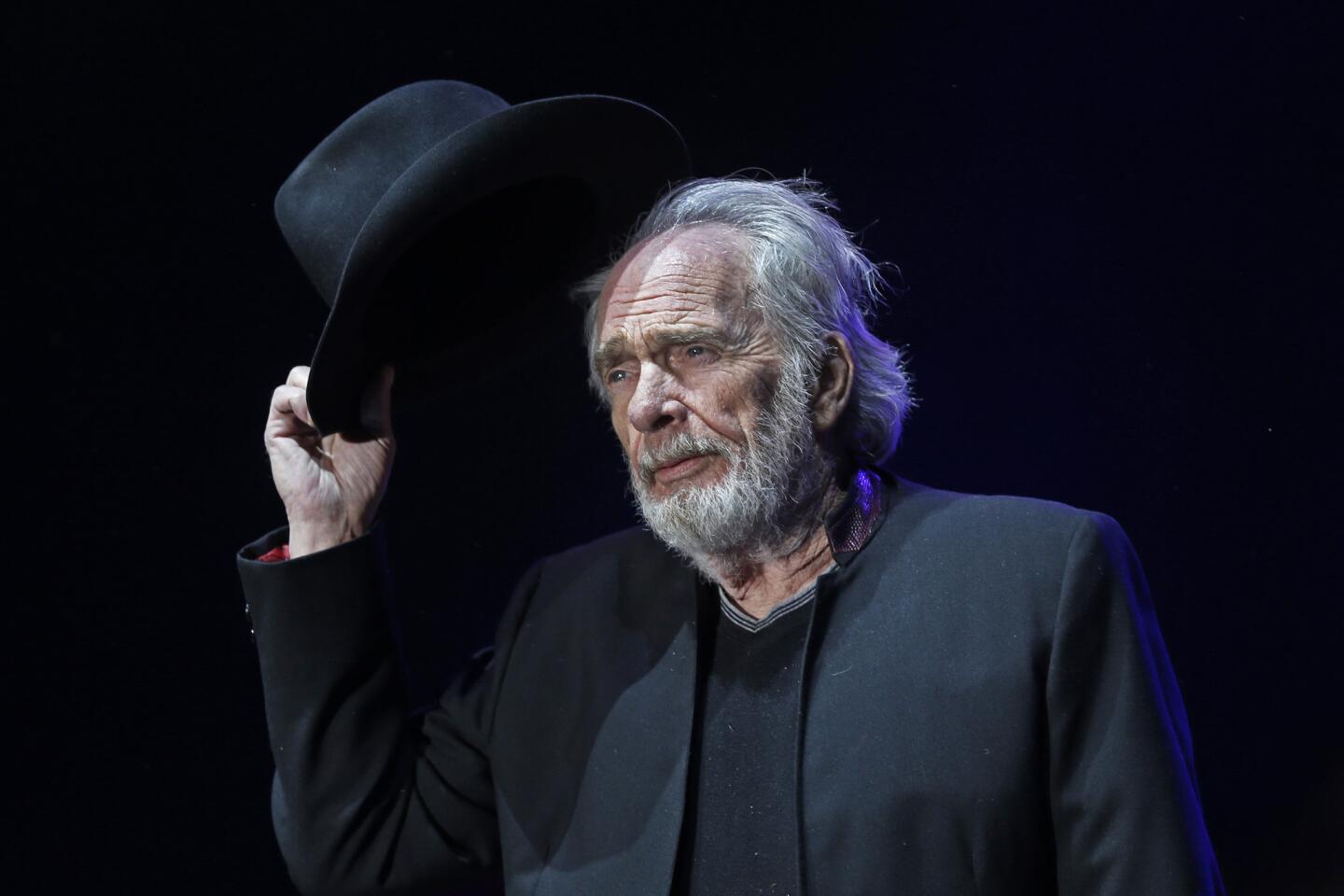
Next month, on a quiet ranch in California, President Ronald Reagan will host a special concert titled In Performance at the White House. The spotlight will fall on a man whose story is as American as the country he sings about — Merle Haggard. Once an inmate at San Quentin Prison, later pardoned by then-Governor Reagan, Haggard rose to become one of the greatest legends of country music, a troubadour whose life and art are inseparable.
Merle Haggard’s story is the essence of redemption. Born in Bakersfield, California, he grew up during hard times, losing his father at only nine years old — a loss that carved a deep scar into his young heart. Restless, rebellious, and lost, Haggard drifted into petty crime, eventually finding himself behind the walls of San Quentin. But prison, paradoxically, became his awakening. It was there that Haggard realized the path he had taken and the one he still had the power to choose. Music, once a pastime, became his salvation.
Years later, he would return to San Quentin — not as a prisoner, but as a performer. Standing on the same ground that once held his freedom, Haggard sang Sing Me Back Home, a haunting song inspired by the execution of a fellow inmate nicknamed Rabbit. It was more than a song — it was a requiem, an act of remembrance, and perhaps, a quiet confession.
From the stark reality of prison cells, Haggard’s journey led to glittering stages and recording studios. His rugged honesty resonated with working men and dreamers alike. With 28 number-one hits, including Okie from Muskogee and Mama Tried, Haggard became the voice of everyday America — proud, flawed, and deeply human. He didn’t just sing songs; he told the truth as he saw it, whether it was about the dignity of labor, the pain of loss, or the changing face of a nation.
Yet beneath his fame and acclaim, Haggard remained a man of contradictions. He loved solitude — fishing on his ranch, building model trains, and gazing at the Cascade Mountains from his California home. To him, peace was found not in cities or crowds, but in quiet places where he could be still and listen to his own thoughts.
Musically, Haggard was both historian and innovator. He honored his predecessors — Jimmie Rodgers, Lefty Frizzell, and Bob Wills — not by imitation, but by carrying their spirit forward. His songs held the rhythms of freight trains, the weariness of road miles, and the hope that tomorrow might be kinder.
What made Merle Haggard extraordinary was not just his voice or his words, but his resilience — his unyielding desire to transform pain into poetry. From prison bars to the White House, from despair to dignity, his life became its own ballad — one of struggle, grace, and the enduring power of song.
When he performs for President Reagan next month, it will not merely be a concert. It will be a testament — that even from the roughest beginnings, one can rise, rebuild, and sing not only for oneself, but for the heart of a nation.

GIPHY App Key not set. Please check settings