Goemool 2 (2025) expands its apocalyptic universe with confidence, ambition, and a darker philosophical edge, proving that this sequel is not content to simply repeat the chaos of the original. Instead, it transforms the zombie genre into a grim political and moral battlefield, where survival is no longer the ultimate goal—truth is. From its opening moments, the film establishes a harsher, more desperate world, one that feels frighteningly close to collapse.
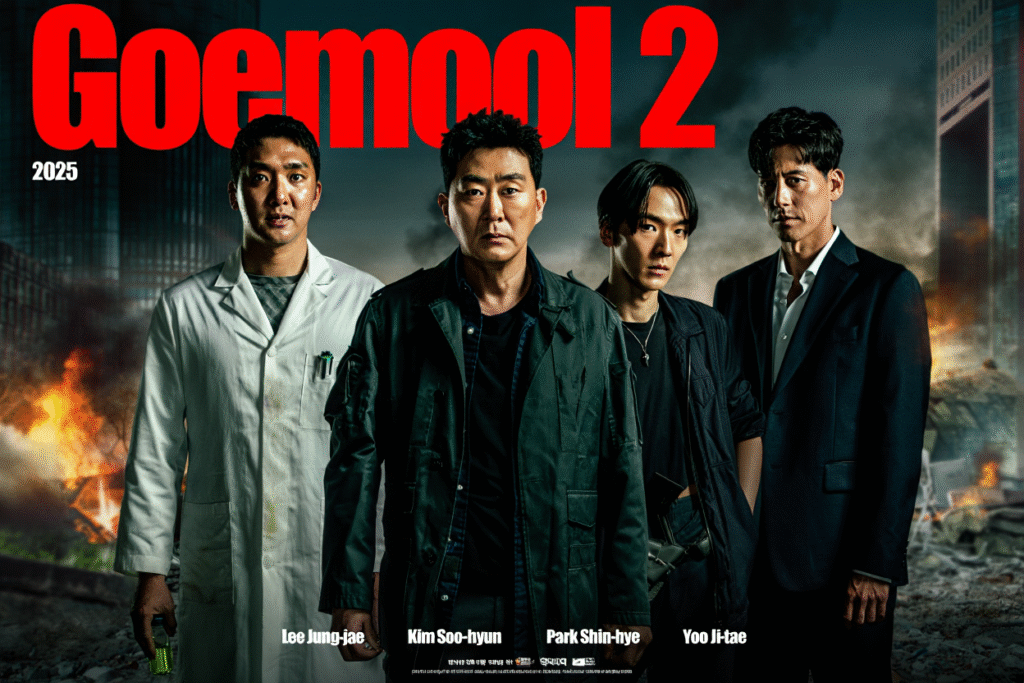
Lee Jung-jae delivers a commanding performance as Ji-ho, now hardened by loss and responsibility. No longer just a survivor, he has become a reluctant symbol of resistance. His leadership is defined not by speeches, but by impossible decisions, and Lee plays him with quiet intensity, embodying the emotional toll of guiding others when hope is constantly slipping away.
Kim Soo-hyun’s introduction as Jae-min is one of the film’s greatest strengths. As a scientist burdened by guilt and hidden knowledge, his character adds a cerebral layer to the narrative. Kim balances intellect and emotional restraint beautifully, making Jae-min both suspicious and sympathetic. His presence shifts the story from pure survival horror into unsettling sci-fi territory.
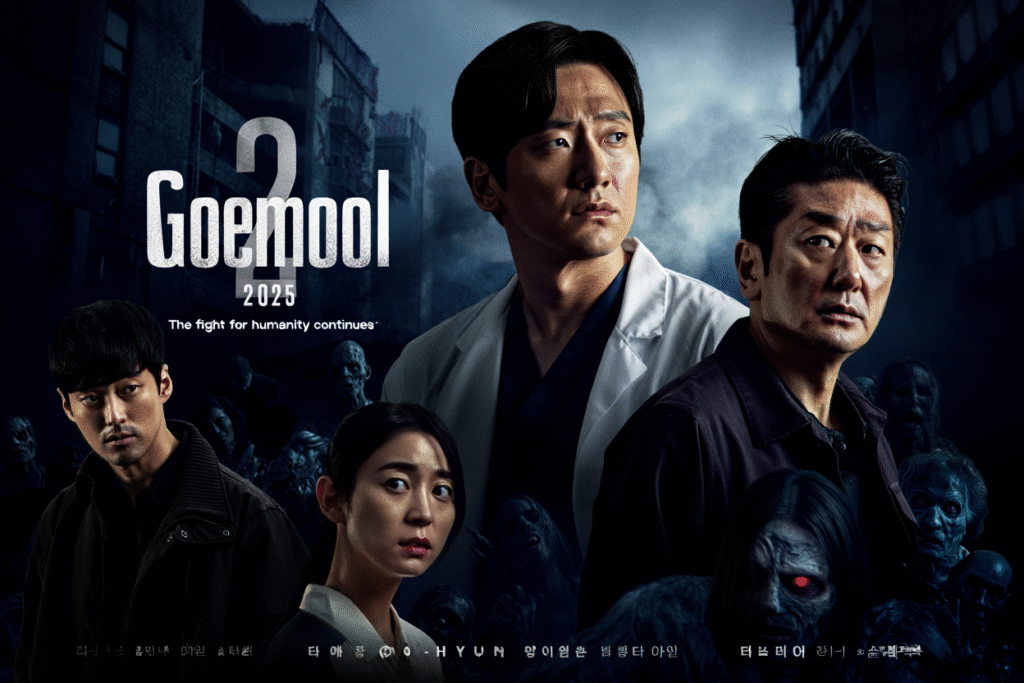
Park Shin-hye’s Soo-yeon emerges as the emotional anchor of the film. She is resilient without being idealized, compassionate without being naïve. In a genre often dominated by brute force, her strength lies in empathy and adaptability. Park gives one of her most grounded performances to date, ensuring the human cost of the apocalypse is never forgotten.
Yoo Ji-tae excels in his morally ambiguous role, representing the corporate machinery behind the outbreak. He is not portrayed as a cartoon villain but as a chilling reflection of real-world power—calm, persuasive, and terrifyingly logical. His scenes crackle with tension, forcing viewers to confront the uncomfortable truth that monsters do not always rot.
The zombies themselves are more frightening than ever. The evolution of the virus introduces faster, more intelligent, and eerily coordinated undead, raising the stakes in every confrontation. The film smartly avoids overusing spectacle, allowing sudden outbreaks and claustrophobic encounters to deliver maximum dread.
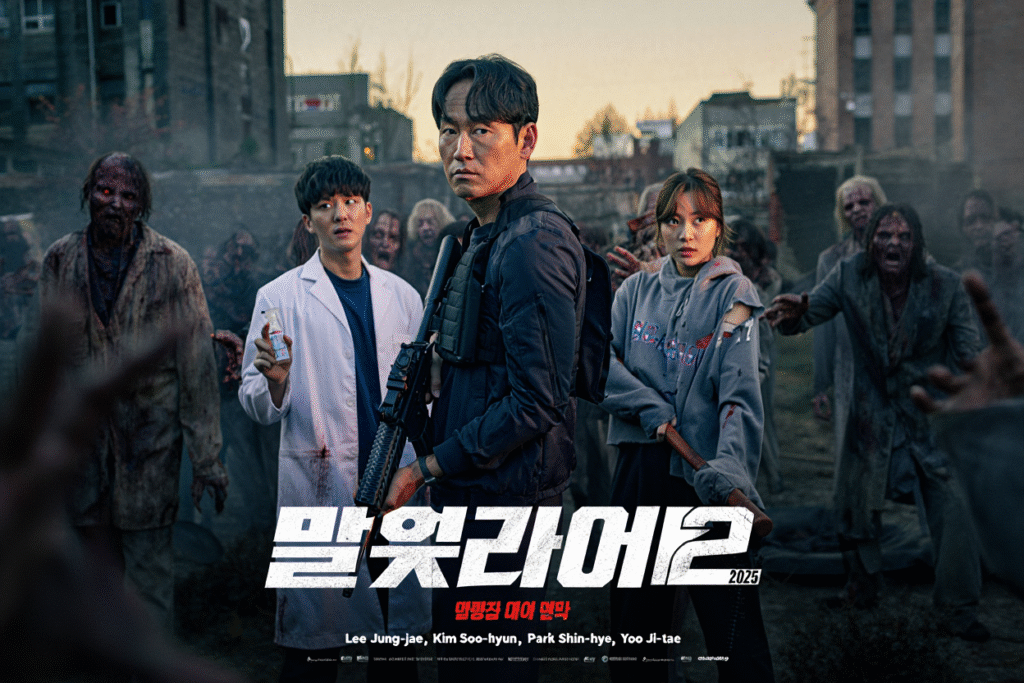
Visually, Goemool 2 is bleak and oppressive in the best way. Ruined cities, abandoned laboratories, and underground resistance hideouts create a lived-in apocalypse that feels authentic. The muted color palette reinforces the sense of decay, while the sound design—screams, silence, distant chaos—keeps tension constantly simmering.
What truly elevates the film is its thematic ambition. Goemool 2 is not just about stopping a virus; it’s about confronting systems that value control over humanity. The conspiracy at the heart of the story reframes the outbreak as a symptom of deeper corruption, making the horror feel disturbingly plausible.
The pacing is deliberate but effective. While some mid-film stretches slow down to explore character dynamics and ethical dilemmas, these moments ultimately strengthen the payoff. When the action erupts, it feels earned—brutal, chaotic, and emotionally charged.
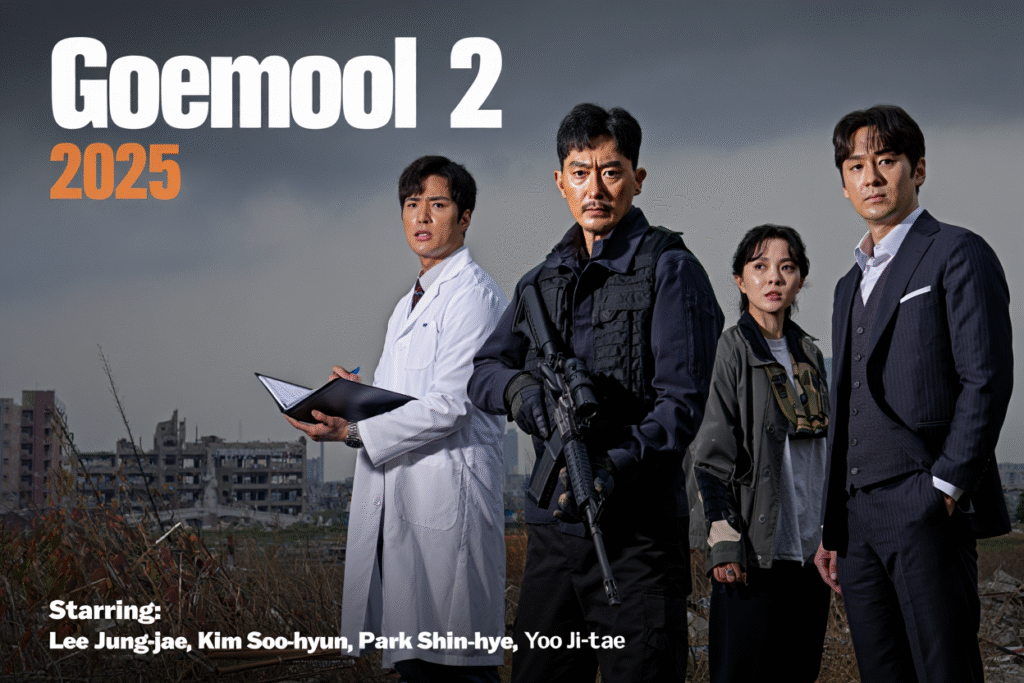
In the end, Goemool 2 (2025) stands as one of the more intelligent zombie sequels in recent years. It respects the genre while pushing it forward, blending action, horror, and social commentary into a gripping cinematic experience. This is not just a fight against the undead—it is a haunting reminder that humanity’s greatest enemy may be itself.

GIPHY App Key not set. Please check settings