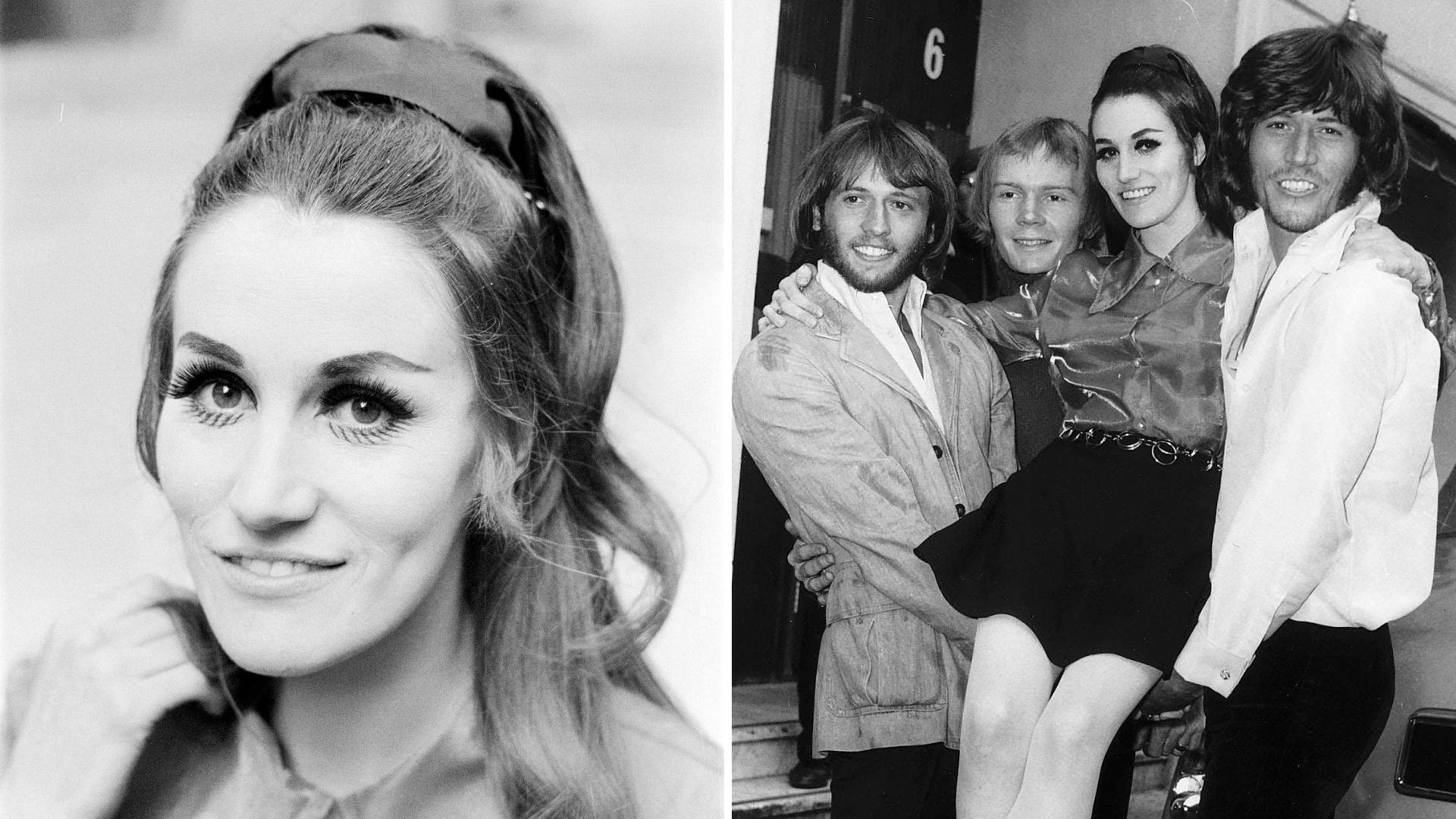
Introduction:
When people think of the Bee Gees, the images that often come to mind are dazzling lights, soulful harmonies, and the unmatched brilliance of Barry, Robin, and Maurice Gibb. Their music shaped generations, defined an era, and cemented their place among the greatest musical acts of all time. Songs like “Stayin’ Alive,” “How Deep Is Your Love,” and “Night Fever” have become timeless anthems. Yet, behind the trio’s legendary success lies another figure whose presence, though away from the spotlight, was deeply intertwined with their story — Leslie Gibb, the eldest sister of the Gibb family.
Born on January 12, 1945, in Manchester, England, Leslie Barbara Gibb was the first daughter of Hugh and Barbara Gibb. Raised in a home filled with rhythm and melody, she grew up surrounded by the same creative energy that later propelled her brothers to stardom. Her father, a skilled drummer, instilled in all his children a love for music, and for a brief time, Leslie shared the stage with her brothers during local performances in their youth. However, unlike Barry, Robin, and Maurice, Leslie’s heart was never drawn to fame — she preferred the quiet harmony of family life over the bright glare of the public eye.
When the Gibb family moved to Australia in the late 1950s, the seeds of the Bee Gees’ success were just beginning to take root. Leslie chose to remain outside the group’s growing fame, finding fulfillment in her own path. In 1966, she married Keith Evans, an Australian salesman who also worked closely with Barry. Together, they built a family and settled in the serene surroundings of the Blue Mountains, where Leslie managed a dog kennel — a far cry from the flashing cameras and world tours that defined her brothers’ lives. She became a devoted mother to her children, including her daughter Bernice Barbara, born in 1964.
Still, Leslie’s story is more than that of a sister watching from afar. In 1969, during a brief period when Robin left the Bee Gees following creative disagreements, Leslie momentarily stepped into his place for a few performances — a little-known chapter that speaks volumes about her quiet talent and family loyalty. Yet even then, she quickly returned to the calm rhythm of her chosen life, content to support her brothers from the sidelines.
Leslie Gibb’s perspective offered her a unique view of fame’s double-edged sword. She witnessed firsthand the pressures her brothers endured — the relentless touring, the personal sacrifices, and the emotional toll of living under constant public scrutiny. In later reflections, Leslie expressed gratitude for the life she built away from fame’s demands. Her brothers’ success was a source of pride, but her happiness came from simplicity, love, and family — values that grounded the Gibb legacy as much as any song.
Though Leslie’s name may not appear on record covers or award lists, her role in the Gibb family’s journey is invaluable. She was the steady force behind the scenes, the quiet witness to both triumphs and trials, and the embodiment of the love that kept the family connected through decades of success and loss. Her story reminds us that greatness is not only found on stage but also in the strength of those who nurture, support, and stand by without seeking recognition.
In the grand symphony of the Bee Gees’ history, Leslie Gibb’s melody may be softer — but it is one that endures, resonating with grace, loyalty, and timeless devotion.
GIPHY App Key not set. Please check settings